
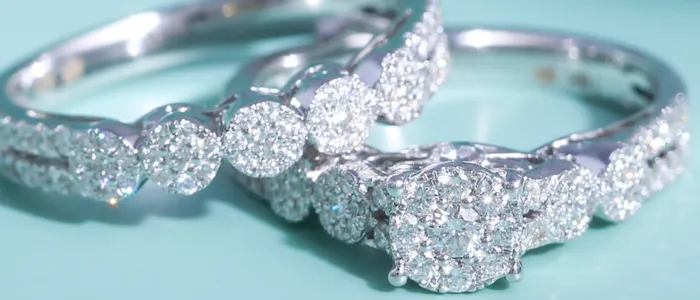
Lab-grown diamonds are increasingly growing in popularity. They are available in higher quality, new colors, and attractive prices. They are also available in more significant quantities.
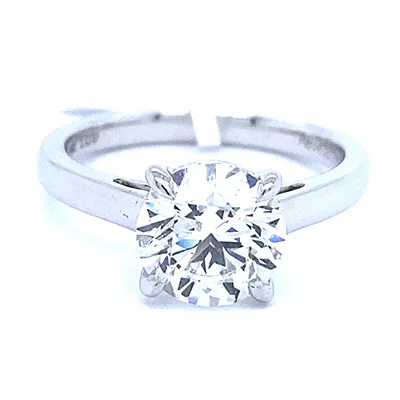
Lab Grown Round Brilliant Diamond Solitaire Engagement Ring
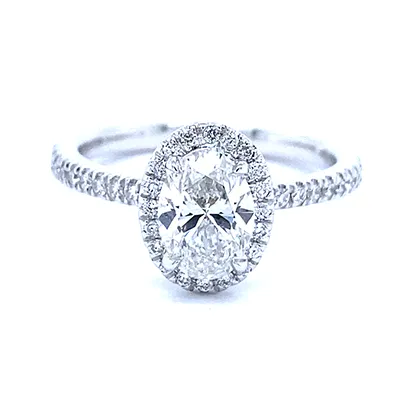
Lab Grown Oval Diamond Halo Engagement Ring
How Lab-Grown Diamonds Are Created
Natural diamonds are formed deep within the Earth's mantle for millions of years under high pressure and temperature conditions. On the other hand, lab-grown diamonds come from small diamond seeds placed in a controlled laboratory environment that mimics the conditions needed for the formation of natural diamonds.
Thus, lab-grown diamond jewelry is engineered diamonds, cultured diamonds, and man-made diamonds.
Lab-grown diamonds are made of the same material as natural diamonds.
- They are made of actual carbon atoms, just like natural diamonds.
- They have the same chemical, physical and optical properties, and crystal structure as natural diamonds.
The only difference between natural diamonds and lab-grown diamonds is where they come from. Look at it this way: natural diamonds are similar to ice from a glacier, while diamonds grown in labs are ice from your freezer.
The Advantages of Lab-Grown Diamonds
Lab-grown diamonds have been around since the 1950s. However, they have only become more popular among today’s fine jewelry buyers for many reasons:
- They are “Real” Diamonds
Lab-grown diamond jewelry is physically and chemically a diamond. Diamonds grown in the lab and mined from the earth have the same hardness. They both rank number 10 on the Mohs scale.
Only trained gemologists using specialized equipment can detect the minor differences in crystal growth and trace elements between natural and lab-grown diamonds.
- Affordable Diamonds
It takes a fraction of the time to make lab-grown diamonds than mining natural diamonds. Diamonds grown in labs combine science and technology. Therefore their availability is not dependent on nature.
This means man-made diamonds are more abundant and require less labor and resources to produce than mined diamonds, making them more affordable diamonds.
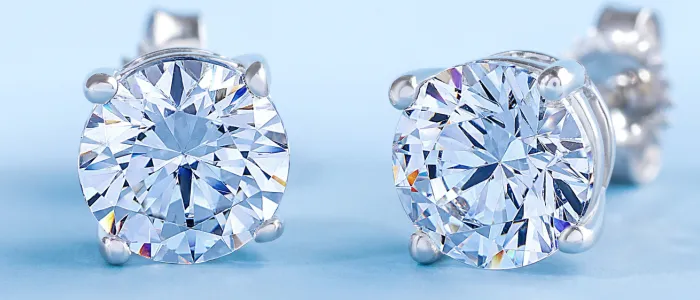
- More Beautiful and Better Quality
Lab-grown diamonds are more beautiful because they have better quality, higher purity, and fewer defects. This is so because they are made under a fully-monitored and controlled process and environment.
- Certified by IGI
Lab-grown diamonds are similar to natural diamonds in chemical, physical and optical properties, as well as crystal structure. Thus they are also certified by the International Gemological Institute (IGI) for cut, color, clarity, and carat.
- Easier to Care and Maintain
Unlike mined diamonds, lab-grown diamond jewelry does not need special cleaning methods to keep them shining.
- Grown through Sustainable Processes
Lab-grown diamonds are made using chemical vapor deposition (CVD) which is a sustainable process. This means keeping up with the demand for lab-grown diamond jewelry without compromising quality is easier.
- Ethical Diamonds
Since they are made in a lab, their creation does not entail harmful processes or conflicts to man and the environment, making them ethical diamonds.
- Environment-Friendly Choice
Diamond mining is synonymous with labor, erosion, pollution, and other environmental issues. Lab-grown diamonds are eco-friendly because they are not extracted from the ground. Their creation protects the environment rather than threatens it.
The Exceptional Beauty of Lab-Grown Diamonds
The beauty of lab-grown diamond jewelry can rival that of natural diamonds. They reveal the same exquisite characteristics and visual appeal that make diamonds captivating.
Lab-grown diamonds have the same remarkable brilliance as natural diamonds. They also can reflect and refract light creating dazzling sparkles. Due to the controlled growth environment, inclusions and blemishes are minimal, allowing light to pass through the diamond more easily. This enhances the brilliance and overall visual appeal of lab-grown diamond jewelry.
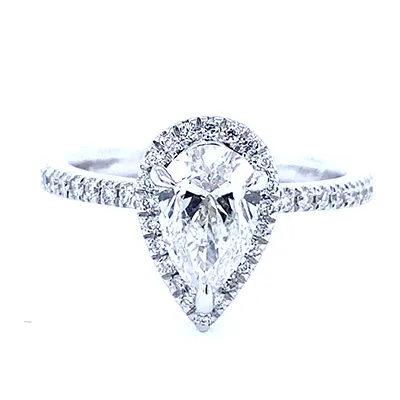
Lab Grown Pear Shape Diamond Halo Engagement Ring
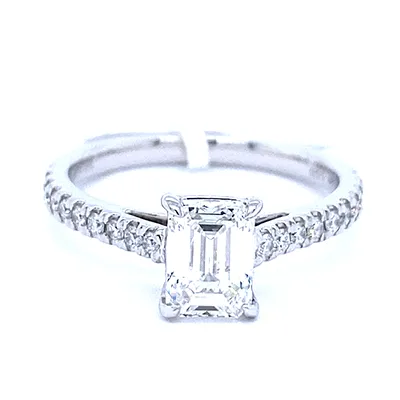
Lab Grown Emerald Cut Diamond Engagement Ring
The controlled growth process also allows for the intentional creation of specific colors. Thus, lab-grown diamonds are available in various colors, including colorless, yellows, pinks, and blues for a unique and striking appearance.
The cut quality of lab-grown fine jewelry is done with exceptional precision and craftsmanship. Skilled diamond cutters create a well-cut lab-grown diamond resulting in a stunning and eye-catching gem.
Lab-Grown Diamonds in Fine Jewelry
Lab-grown diamonds have gained popularity in fine jewelry for their exceptional beauty, ethical considerations, and affordability. They offer a range of design possibilities and allow for the creation of stunning and meaningful pieces.
There are more options for diamond lovers to seek larger carat weights at more accessible price points with lab-grown diamonds. Additionally, diamonds grown in labs have consistent characteristics. They have predictable colors and clarity, allowing for more precise customization and matching in fine jewelry designs.
Caring for Lab-Grown Diamonds
Care for your lab-grown diamonds as you would natural diamonds. Like natural diamonds, they are durable and require minimal maintenance to ensure longevity and sparkle.
- Regular cleaning helps maintain the brilliance of your lab-grown diamond. You can clean it at home using a mild detergent mixed with warm water.
- Avoid exposing your lab-grown diamond to harsh chemicals or abrasive substances that may damage the stone.
- While lab-grown diamonds are durable, they can still chip or crack if subjected to a strong impact.
- Store your lab-grown diamond jewelry separately from other jewelry pieces to prevent scratching.
- Regularly inspect your lab-grown diamond jewelry for any loose stones or signs of damage.
- Consider having your lab-grown diamond jewelry regularly cleaned and inspected by a professional jeweler.
- Consider insuring your lab-grown diamond jewelry to protect against loss, theft, or damage.
Follow these care tips to keep your lab-grown diamond jewelry looking its best and enjoy its beauty for years.
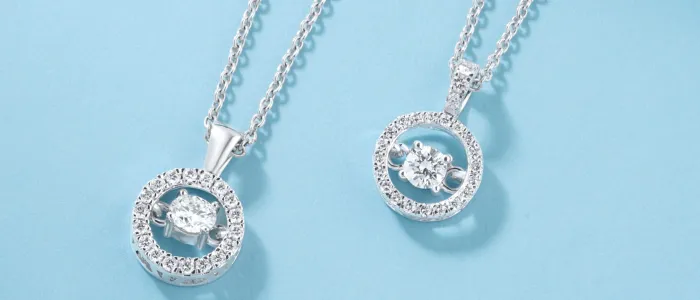
The Future of Lab-Grown Diamonds
The future of lab-grown diamonds looks promising as they continue to gain acceptance and popularity in the jewelry industry. As more consumers become aware of the benefits of these diamonds, their acceptance and demand will likely grow.
As technology evolves, lab-grown diamonds may become even more indistinguishable from natural diamonds, both visually and chemically. Additionally, skilled artisans and designers are exploring creative ways to showcase the unique characteristics of lab-grown diamonds, to create more innovative and captivating jewelry designs.
Conclusion
Lab-grown diamonds are expected to continue expanding their market share. As more jewelry retailers and brands embrace lab-grown diamond jewelry, they are likely to become more readily available to consumers worldwide.
The House of Silva has an extensive selection of lab grown diamond engagement rings. No one will notice the difference! Your engagement ring will be as stunning as its Earth-mined counterpart!